Otto Explains — Charging System
2 min read · 3 questions
What Does the Battery Warning Light Mean?

Otto's short answer
The battery warning light (shaped like a battery symbol) means the charging system is not maintaining the correct voltage. This usually points to the alternator, the drive belt, or the wiring between them, not necessarily the battery itself. Once this light comes on, the car is running on stored battery charge alone, which is limited and will eventually run out.

Why does the battery light point to the charging system rather than the battery alone?
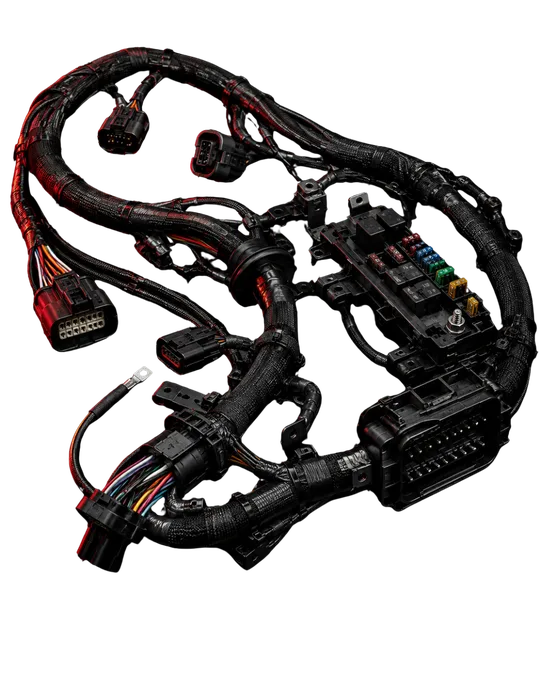
The battery light is monitored by the charging circuit and illuminates when the alternator is not producing the voltage the electrical system needs, regardless of whether the battery itself is healthy. A perfectly good battery will still trigger this light if the alternator has failed, the drive belt has snapped or is slipping, or a wiring connection to the alternator has corroded or come loose.
What can cause a charging fault in Oman conditions?
Common causes include a worn or failed alternator, a serpentine belt that has glazed, cracked, or slipped from heat exposure, corroded battery terminals or alternator connections, and a failing voltage regulator inside the alternator. Belt wear can be more common in Oman's heat, where rubber components tend to age faster than in cooler climates.

Still unsure? Ask Otto about your car.
Why does driving on with this light lead to a shutdown, and what should I do?
Once the alternator stops charging, the car runs entirely on the battery's remaining stored charge. As that charge depletes, electrical systems begin to fail: dimming headlights, weakening power steering assist on some vehicles, and eventually the engine management system losing enough voltage to keep the engine running, causing a stall that cannot be restarted until the battery is recharged.
If this light comes on while driving, reduce electrical load (turn off AC, infotainment, and unnecessary accessories) and head to have it checked as soon as possible rather than continuing a long journey. On many engines the same drive belt also turns the water pump and, on some, the power-steering pump, so watch the temperature gauge and the steering, and stop safely if the temperature rises or the steering suddenly becomes heavy.
Common Questions
What drivers also ask.
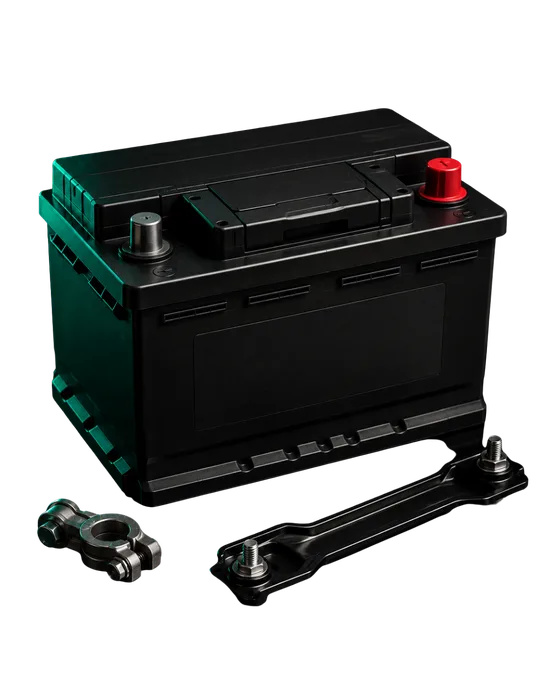
Replacing the battery without checking the charging system risks the same fault draining the new battery too. If the alternator or belt is at fault, a new battery will go flat again. A charging system test should confirm the actual cause before parts are replaced.
An intermittent light can indicate a loose connection, a belt that is slipping only under certain conditions, or an alternator beginning to fail intermittently before failing completely. Have it checked even if it clears on its own, since intermittent charging faults tend to become permanent.
It's not advisable. Even short trips draw down the battery further each time, and the point at which the car won't restart can arrive without much warning. If the light is on, treat it as something to have looked at promptly rather than something to work around.
Otto Explains
Related Otto explanations
 Warning Signs & DiagnosticsWhat Happens If I Ignore Warning Lights?
 Warning Signs & DiagnosticsWhy Is My Car Battery Leaking, and Is It Dangerous?
Related Services