Otto Explains — Coolant Level
2 min read · 3 questions
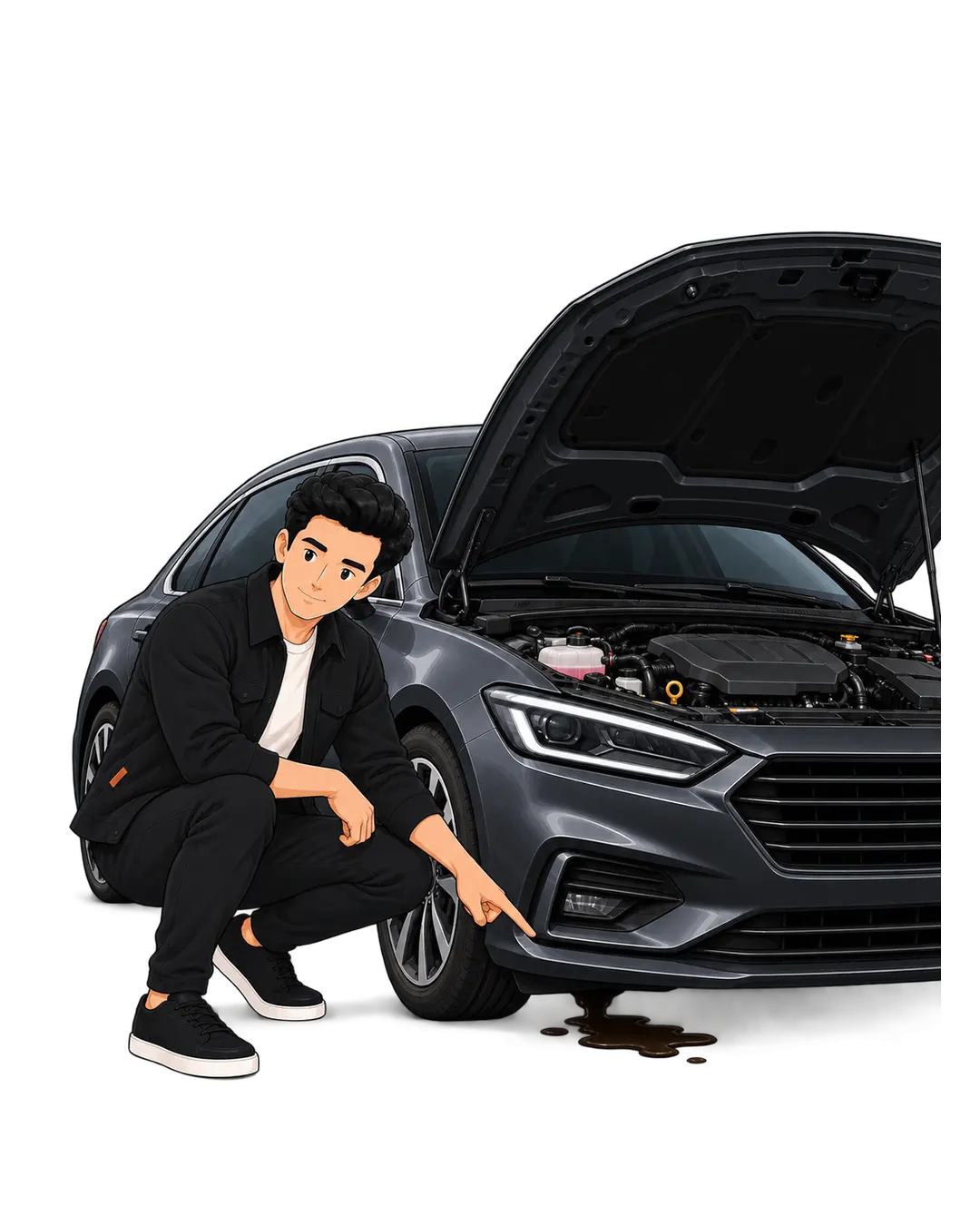
Why Is My Coolant Level Dropping?

Otto's short answer
A coolant level that drops between checks, without a visible puddle, usually means a slow leak somewhere in the cooling system: the radiator, a hose, the water pump, or occasionally the head gasket. A healthy, sealed cooling system should not need regular topping up, so a dropping level should be investigated before it leads to overheating.
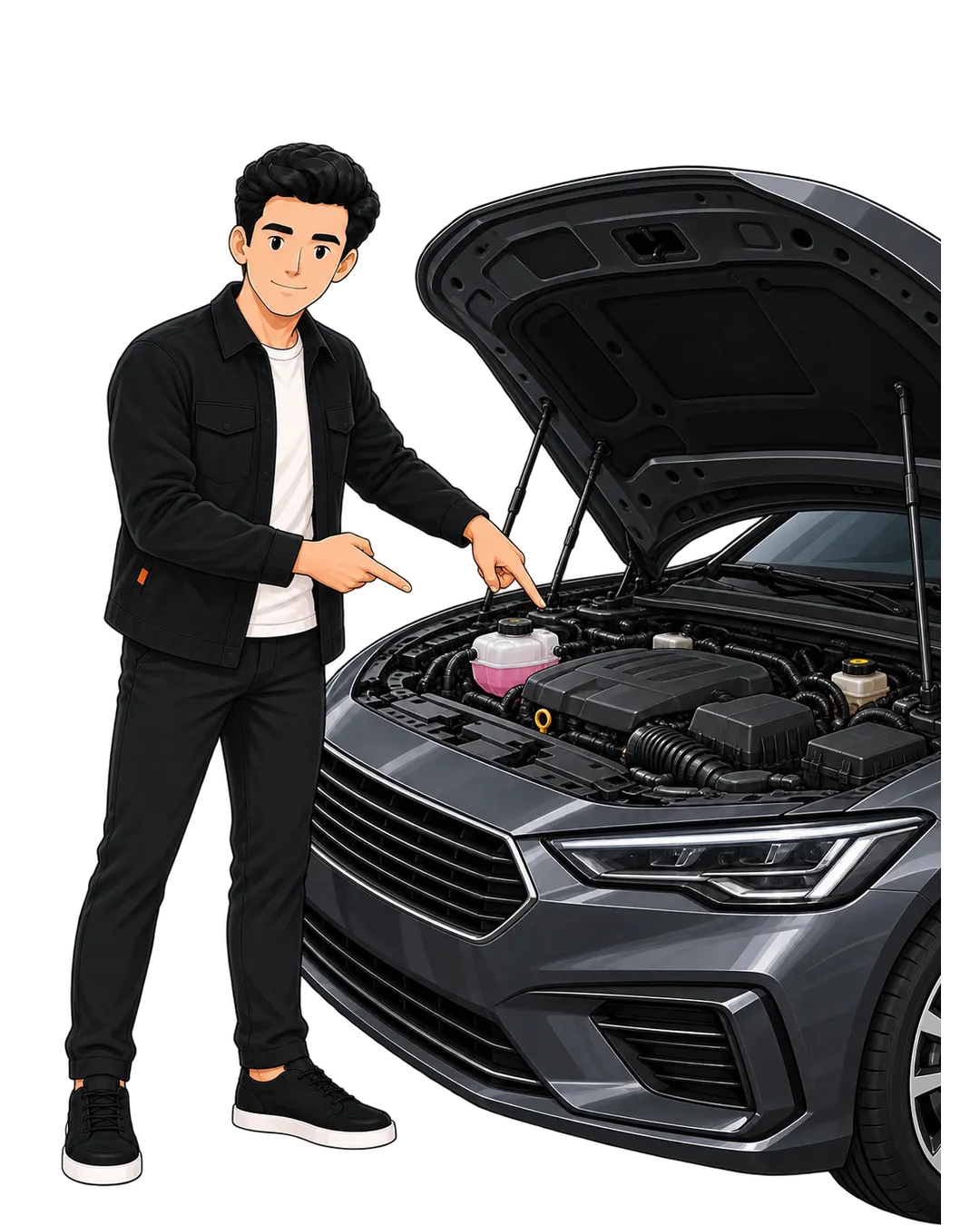
What's the difference between normal and abnormal coolant loss?
A correctly sealed cooling system loses effectively no coolant over normal use, and the level should remain stable between services. If you find yourself topping up more than once every few months, or the level drops noticeably within weeks, that indicates a leak somewhere in the system rather than normal wear. The system is designed to be sealed and pressurised, not to consume coolant the way an engine can consume oil.
What are the most common causes of a slow coolant leak?
Common sources include a radiator that has started weeping at a seam or from stone damage, a coolant hose that has cracked or a clamp that has loosened, a water pump seal beginning to wear, or a radiator cap that no longer holds pressure correctly. Less commonly, a failing head gasket can allow coolant to be consumed internally without ever appearing as an external leak, which is why persistent coolant loss with no visible puddle still needs investigation.

Still unsure? Ask Otto about your car.
Why does this create an overheating risk, and what should I do?
As coolant level drops, the system has less fluid to absorb and transfer heat away from the engine, and trapped air pockets can form that reduce cooling efficiency even further before the level becomes critically low.
If you notice the level dropping, book an inspection before it reaches the point of triggering a temperature warning while driving. AutoTronix Garage can pressure-test the system to find the exact leak source, and AutoTronix Lab can check for related sensor or electric fan faults if the temperature gauge behaviour seems inconsistent.
Common Questions
What drivers also ask.
Topping up to get you through in the short term is reasonable, but it does not address why the level is dropping. A leak that is topped up repeatedly rather than repaired can progress, and using the wrong type of coolant or mixing types can also cause its own problems, so a proper inspection is the more reliable long-term approach. Only open the cap once the engine has fully cooled, because the system is pressurised when hot.
It can help identify where a leak is coming from if you see a coloured residue or crust near a hose, the radiator, or the water pump area, since dried coolant often leaves a visible stain. However, colour alone doesn't tell you the underlying cause, which is why a pressure test is more reliable than visual inspection alone.
Rubber hoses, seals, and gaskets in the cooling system age faster under Oman's sustained heat, and the system works harder for longer throughout the year, which can accelerate wear on these components compared to cooler climates.
Otto Explains
Related Otto explanations
 Warning Signs & DiagnosticsWhy Is My Car Leaking Oil?
 Warning Signs & DiagnosticsWhy Does My Car Smell Like Fuel or Burning?
Related Services