Otto Explains — Buying a Used Car
3 min read · 4 questions
Why You Need a Pre-Purchase Inspection Before Buying a Used Car

Otto's short answer
A pre-purchase inspection (PPI) is a professional assessment of a used vehicle carried out before the sale is agreed. It assesses the mechanical, electrical, and structural condition of the car at the time of inspection, and can reveal faults and signs of prior accident repair the seller may not disclose. It gives you a much better-informed basis for your buying decision, although no inspection can guarantee that a used car has no hidden faults.

What does a pre-purchase inspection cover?
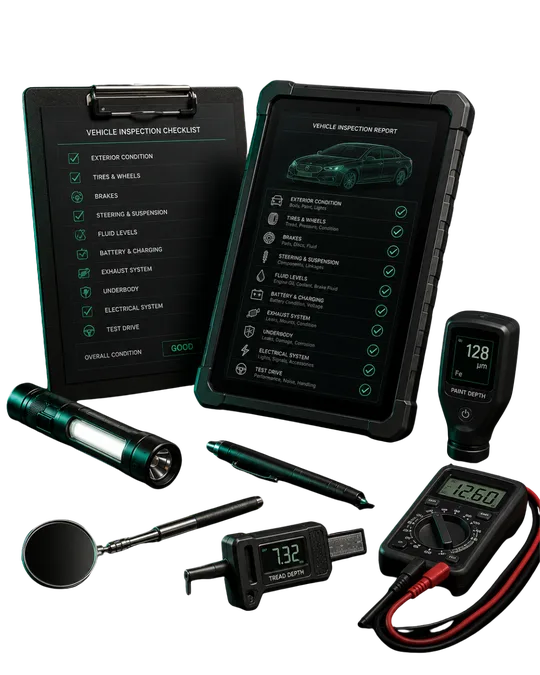
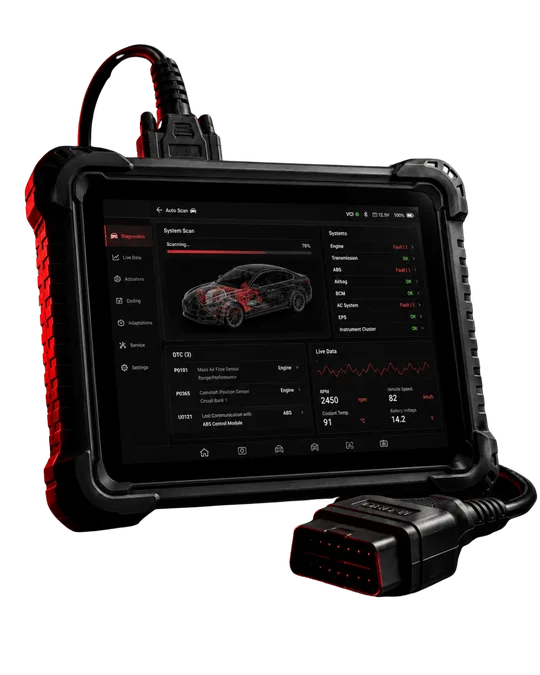
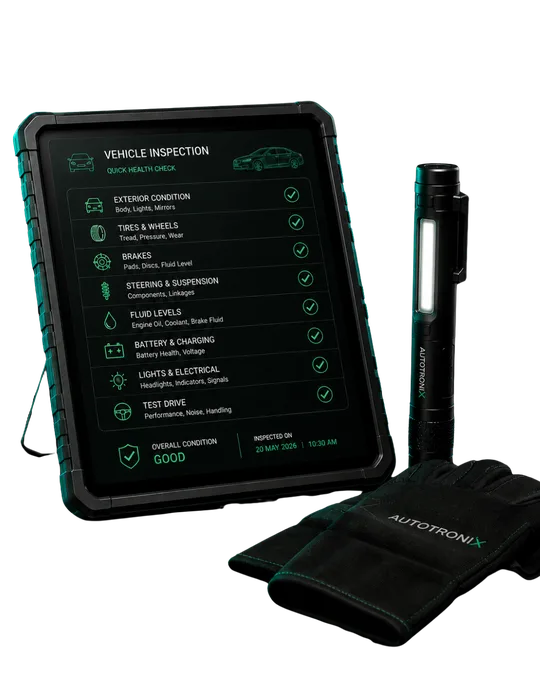
A thorough pre-purchase inspection covers: an electronic diagnostic scan of the control modules the diagnostic equipment can access (engine, gearbox, ABS, airbags, body control) to reveal stored fault codes; paint thickness measurement across the body panels as one indicator of repainting; a structural and underbody inspection; mechanical assessment (engine, gearbox, brakes, steering, suspension, cooling system); fluid condition and levels; tyre condition and mismatch; lights; and exterior and interior condition.
A written report documents the findings, including measured values where they apply.
Can a pre-purchase inspection detect accident damage if the car looks perfect?
Often, yes, but not with certainty. Paint thickness measurement is a useful indicator: panels in original factory paint tend to give consistent readings, while a panel that has been repaired and repainted usually reads higher. On its own it is not conclusive: readings vary between manufacturers, paint finishes, and panel materials (aluminium and plastic parts need suitable gauges or can't be measured the same way), some repairs are hard to detect, and a repainted panel doesn't always mean an accident.
That is why paint readings are combined with a structural and underbody evaluation, panel gap and alignment checks, a search for signs of repair such as overspray or non-factory welds, an electronic scan (including airbag system faults), a mechanical assessment, and a review of the service history. Together these give a much clearer picture, even on a car that looks cosmetically flawless, but no inspection can guarantee that every past repair or hidden fault has been found.

Still unsure? Ask Otto about your car.
What are the most common problems found in used cars in Oman?
Issues worth checking for on used cars in Oman include: deferred or skipped oil changes (visible in oil condition and sludge), timing chain or belt service overdue, prior accident damage to one or more panels, modified or worn suspension from use on rough roads, AC system issues (low refrigerant, compressor wear), corroded underbody or brake components, battery near end of life, and stored fault codes across one or more modules.
In Oman's heat, cooling system and AC condition are particularly important to assess before purchase.
How should I use the inspection report to negotiate?
The inspection report gives you accurate information about the vehicle's true condition and the cost of any required work. You can use it to negotiate a price reduction that reflects the repair costs, to ask the seller to rectify specific faults before completing the sale, or to walk away from a vehicle where the issues are too significant.
The inspector's role is to give you the facts, not to tell you whether to buy. A minor issue list is normal for a used car; a list of structural damage, major mechanical faults, or serious electrical problems is a different matter.
Common Questions
What drivers also ask.
No. The inspection is carried out at the AutoTronix workshop. The vehicle needs to be brought to the workshop. The seller does not need to attend. Some buyers find it useful to be present to ask questions; others prefer to receive the written report.
A pre-purchase inspection can be carried out on any vehicle that can be driven or transported to the workshop. Some makes have wider electronic coverage than others depending on the diagnostic tools available. The team at AutoTronix Express can advise on coverage for a specific make before the appointment.
No. A periodic service carries out maintenance work: oil change, filter replacement, checks and top-ups. A pre-purchase inspection is purely an assessment. It diagnoses the vehicle's condition and produces a report. No maintenance work is done during the inspection itself.
A service history shows what work was recorded at what intervals. It is a positive indicator that the car was maintained, but it does not guarantee the vehicle's current condition, and it can be incomplete or occasionally falsified. A pre-purchase inspection gives you a current, independent assessment of the actual condition regardless of what the history says.
A thorough inspection covers an electronic scan, paint thickness measurement, a mechanical assessment, and report preparation, so it is not a quick check. The time depends on the vehicle and any follow-up investigation required. The team can confirm the expected duration when you book.
Otto Explains
Related Otto explanations
 Maintenance & PreventionWhat Is a Vehicle Health Report?
 Maintenance & PreventionHow Often Should I Change My Car’s Oil in Oman?
 Bodywork & RestorationWhat Is Automotive Rust Treatment, and When Is It Needed?
Related Services