Otto Explains — Transmission Fluid
2 min read · 3 questions
What Is Transmission Fluid and When Should It Be Checked?

Otto's short answer
Transmission fluid lubricates the internal components of an automatic gearbox, transfers hydraulic pressure to engage gears, and helps carry heat away from the transmission. It should be checked whenever you notice jerking, slipping, or delayed gear changes, and inspected as part of periodic service intervals even without symptoms, since fluid condition degrades gradually before symptoms become obvious.

What does transmission fluid do inside the gearbox?
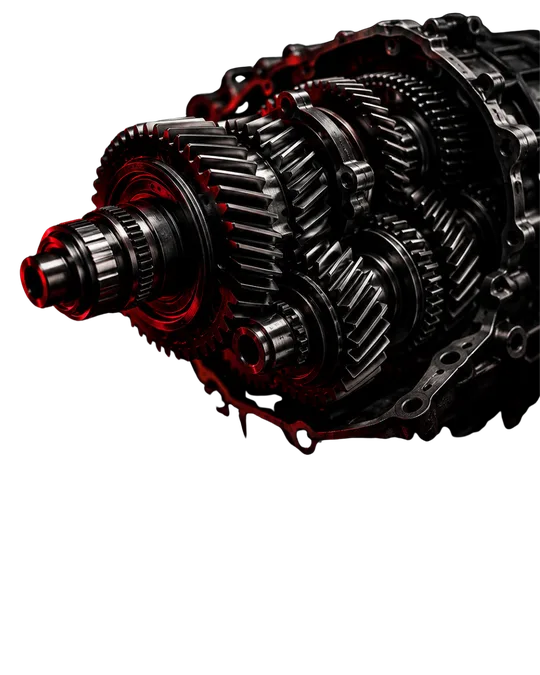
Inside an automatic transmission, fluid does three main jobs: it lubricates gears, bearings, and clutch packs to reduce wear; it transmits hydraulic pressure that engages clutch packs to change gear; and it carries heat generated by the transmission's internal friction away to be cooled. As the fluid degrades through heat exposure and normal wear byproducts, all three of these functions become less effective, which is what eventually produces symptoms.
What signs suggest the fluid needs checking?
Jerking or harsh shifts, a slipping sensation where engine revs rise without matching acceleration, a transmission that runs hotter than normal, or a burnt smell from the fluid on inspection are all reasons to have it checked. Long periods in hot, stop-start traffic can raise fluid temperatures and speed up degradation compared with steady driving in cooler conditions.

Still unsure? Ask Otto about your car.
How often should it be checked or changed, and which division helps?
Manufacturer service intervals vary significantly by vehicle. Some fluids are described as long-life or 'filled for life', and many modern automatic gearboxes have no dipstick. Checking the level correctly needs the manufacturer's procedure, often at a set fluid temperature, so it isn't a simple DIY check.
Many manufacturers also publish a severe-service schedule for heavy use, such as high temperatures and stop-start traffic; whether it applies depends on how the car is used. AutoTronix Garage checks fluid level and condition as part of a transmission assessment, and AutoTronix Lab can read transmission control module data to check for related fault codes if symptoms are present alongside the fluid check.
Common Questions
What drivers also ask.
Yes, potentially. Degraded fluid loses lubrication and hydraulic properties, which increases wear on clutch packs and internal components over time. Left long enough without attention, this can progress from a fluid-related symptom to real mechanical wear requiring more significant repair.
No. Manual gearboxes typically use a different type of gear oil rather than automatic transmission fluid, and have different service intervals and symptoms when the fluid degrades. The topic here specifically concerns automatic transmission fluid.
Colour can be a useful indicator alongside smell and condition, since many fresh automatic fluids are a clear red (though some are other colours) and degraded fluid often darkens or develops a burnt smell. However, colour alone isn't a complete diagnosis. A proper assessment considers colour, smell, and how the transmission is performing.
Otto Explains
Related Otto explanations
 Warning Signs & DiagnosticsWhy Is My Car Leaking Oil?
 Maintenance & PreventionHow Often Should I Change My Car’s Oil in Oman?
 Maintenance & PreventionWhat Is a Major Car Service, and What’s Included?
Related Services